Stay up to date with the latest news
Subscribe to our telegram channel

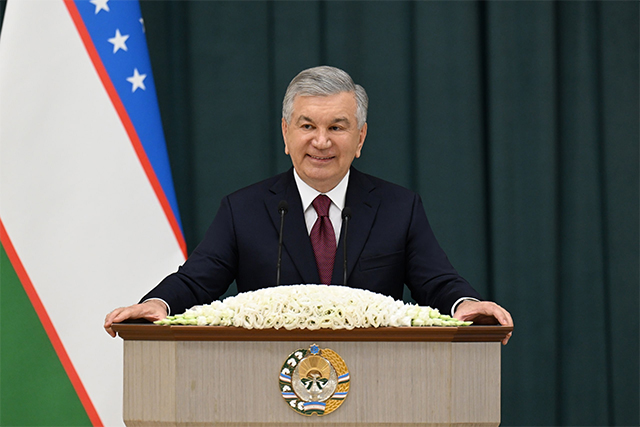
Mirziyoyev announces major support measures for culture sector
Tashkent, Uzbekistan (UzDaily.com) — President of Uzbekistan Shavkat Mirziyoyev on June 1 held a meeting with representatives of the culture and arts sector, announcing a broad package of measures to support creative professionals, develop cultural infrastructure and strengthen the creative economy.
The event brought together poets and writers, actors, directors, playwrights, singers, musicians, composers, artists, sculptors, craftsmen and art scholars.
The President stressed that culture and the arts play a key role in shaping public spirituality, educating young people and strengthening national identity. He said that amid increasing competition for influence over public consciousness, books, theatre, cinema, music and literature have become essential tools for strengthening society’s spiritual resilience.
One of the key decisions is the creation of creative associations across 21 fields, including theatre, cinema, choreography, opera, folklore, pop and academic arts, as well as visual and applied arts. These bodies will focus on identifying and supporting young talent, organising competitions and helping winners participate in international festivals and creative projects.
A National Creative Forum will be held annually. Representatives of the sector who achieve high results will be eligible for additional support and incentives.
Creative workers whose achievements receive wide recognition will receive a monthly payment of 5 million soums for one year. They will also be granted free use of air, rail and domestic public transport. Medical treatment costs in specialised healthcare institutions will be covered by the state budget.
Special attention will be given to young talent. Starting from September 1, winners of national competitions will receive awards of 100 million soums, while winners of prestigious international competitions will be awarded up to 300 million soums. The state will also cover costs related to their participation in competitions.
Mentors of talented youth will receive salary supplements of up to 100%. In addition, 100 young people annually will be sent to study at foreign cultural and arts institutions at state expense.
A new fund titled “Investment in Creativity” will be established, with an annual allocation of 200 billion soums to finance new projects.
The President also announced expanded social guarantees for cultural workers. Each year, 1,000 poets, writers, cultural figures, museum workers and artists will have 50% of their mortgage down payment for housing purchases covered by the state.
For specialists relocating from other regions, rent compensation will be provided: up to 2.5 million soums per month in Tashkent and up to 1.6 million soums in the regions.
Each year, 1,000 cultural workers will receive free medical treatment through the State Health Insurance Fund, while another 2,000 will be provided with medical insurance packages. Employees with at least 10 years of service will be granted free sanatorium vouchers.
In the theatre sector, the government will annually compensate costs for 50 stage productions by private theatres and studios. Cultural institutions will be provided with free use of venues, while rent costs for private premises will be covered up to 20 million soums per month.
Significant reforms were also announced for the film industry. Uzbekfilm will be granted national status and transformed into a central film corporation providing services to domestic and foreign filmmakers.
For state-commissioned films, up to 30% of production budgets will be allocated to promotion and advertising. In addition, 50% of box office revenue from such films will be paid to producers and creative teams.
The annual national film award “Oltin Humo” will receive 5 billion soums in state funding.
The creative economy is expected to expand significantly, with officials targeting 145 trillion soums in output by increasing value-added production in culture and the arts. Development of creative parks, modern design in crafts and expanded international cooperation are planned.
A pilot “Art” programme will be introduced in schools from the new academic year, combining music, visual arts and technology. It will initially cover 10 schools in each region.
Salaries of teachers in music and art schools will be aligned with those in general education schools, with additional performance-based incentives.
Special attention will be given to copyright protection, with instructions issued to develop a system ensuring stronger protection of intellectual property rights for cultural and artistic professionals.