Stay up to date with the latest news
Subscribe to our telegram channel

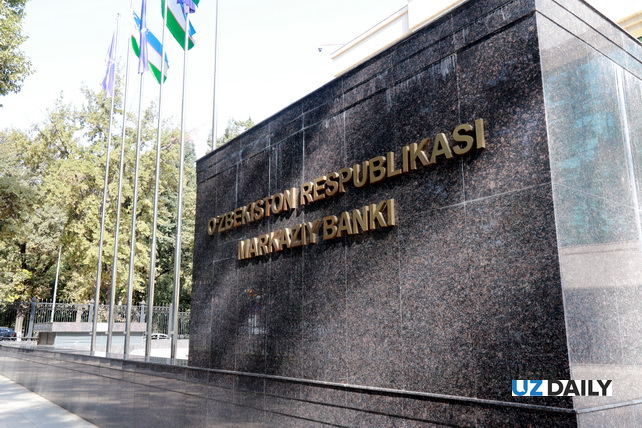
Uzbekistan Central Bank Expands Enforcement Powers Over Financial Institutions
Tashkent, Uzbekistan (UzDaily.com) — The Central Bank of Uzbekistan has updated its procedure for applying sanctions and other supervisory measures to banks and financial institutions, according to an order signed by Central Bank Chairman Timor Ishmetov and registered by the Ministry of Justice on 2 May.
Under the revised rules, the regulatory framework now extends beyond traditional banks to include new categories of financial institutions that have emerged in recent years under national legislation. These include microfinance banks, factoring companies, guarantee organizations, and credit bureaus.
The amendments introduce a revised approach to calculating financial penalties. The size of sanctions will now take into account the financial condition of the violating institution and the scale of its operations.
Procedural deadlines have also been adjusted. The Central Bank is now authorized to send extracts of sanction decisions to financial institutions or their executives within seven working days, instead of the previous three-day requirement.
In addition, the review process for complaints submitted to the Central Bank’s Appeals Council has been revised. While appeals were previously required to be reviewed within 15 days, the new rules allow for an extension of up to one month in cases requiring additional verification, examination of circumstances, or document requests.
The updated framework also expands the list of enforcement actions available to the regulator, including measures aimed at protecting financial consumers. The Central Bank will be able to require institutions to recalculate payments and refund funds that were excessively or unjustifiably charged to clients.
New provisions also empower the regulator to restrict certain operations of banks and other financial institutions in cases of violations of minimum capital requirements or non-compliance with cybersecurity standards, including incidents involving theft of funds from bank cards.
The amendments further define a list of violations for which bank executives may be held liable. These include inadequate risk management and internal controls, decision-making in violation of legislation, failure to prevent violations or mitigate harm to clients, concealment of breaches, and allowing conflicts of interest.
The Central Bank has also been granted the authority to publish information on sanctions imposed on bank executives on its official website, including their full names.