Stay up to date with the latest news
Subscribe to our telegram channel

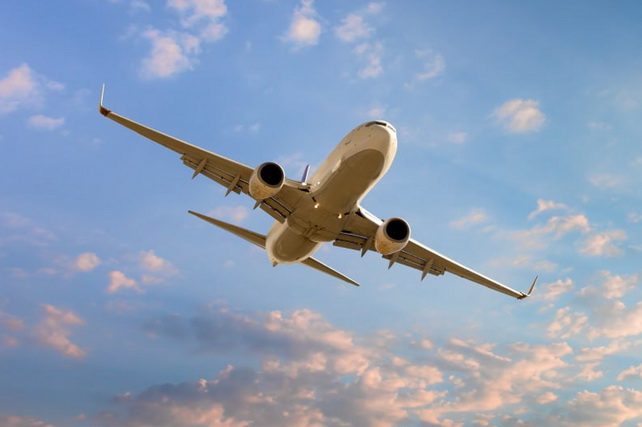
IATA Launches Global Passenger Evacuation Safety Campaign
Tashkent, Uzbekistan (UzDaily.com) — The International Air Transport Association (IATA) has launched a global awareness campaign, “Save a Life, Not a Bag,” aimed at improving passenger understanding of proper behaviour during emergency aircraft evacuations.
The initiative is supported by leading aviation regulators, including the European Union Aviation Safety Agency (EASA) and the U.S. Federal Aviation Administration (FAA). The campaign urges passengers to follow crew instructions, leave cabin baggage behind and exit the aircraft as quickly as possible through the nearest available emergency exit.
According to IATA Director General Willie Walsh, attempts to retrieve baggage during an evacuation pose a serious safety risk. He said that every second counts in an emergency and that even a single bag can delay evacuation and endanger the lives of others on board.
The campaign was launched in response to a growing number of incidents in which passengers attempt to remove cabin baggage from overhead bins or record events on mobile phones during emergency evacuations.
Such behaviour has frequently been captured in videos shared on social media.
EASA Executive Director Florian Guillermet said aircraft are certified under strict evacuation requirements and flight crews receive specialised emergency training. However, he noted that the effectiveness of these measures depends on passengers immediately following instructions and leaving all personal belongings behind.
IATA said attempts to retrieve baggage waste valuable time, create obstructions in aisles, may damage evacuation slides and can hinder the evacuation of other passengers.
Particular concern has been raised over cases in which passengers attempt to leave the aircraft with both cabin baggage and children, increasing risks for themselves and others.
FAA Administrator Bryan Bedford said aviation authorities are increasingly encountering situations in which passengers ignore crew instructions during critical moments. He said safety during an evacuation is a shared responsibility and that disciplined passenger behaviour significantly improves the chances of a successful outcome.
As part of the campaign’s preparation, IATA conducted a survey of recent travellers in the United States, the United Kingdom, the United Arab Emirates and Singapore. The results showed that while 80% of respondents believed they knew what to do during an evacuation, only 61% correctly identified that all personal belongings should be left on board.
In addition, one-third of respondents said they had seen reports of passengers taking baggage during evacuations, while 22% admitted they would likely do the same. Only 18% knew that the regulatory requirement for a full aircraft evacuation is 90 seconds, while 38% believed the procedure takes at least three minutes.
The survey also found that one in ten passengers would attempt to retrieve baggage or follow the actions of others despite crew instructions. At the same time, 60% of respondents said they would be less likely to return for belongings if their passport, money and essential medication were already on their person.
Nick Careen, IATA’s Senior Vice President for Operations, Safety and Security, said that even a delay of a few seconds caused by searching for personal items can have critical consequences for passenger safety.
He added that passengers should pay close attention to pre-flight safety briefings and keep important documents and medications with them at all times
As part of the campaign, IATA recommends that passengers follow crew instructions closely, leave baggage behind during evacuations, refrain from taking photos or videos, avoid stopping in aisles and exit the aircraft as quickly as possible.
To support these messages, the association has developed a range of videos and digital materials that can be used by airlines, airports and other aviation industry stakeholders.