Stay up to date with the latest news
Subscribe to our telegram channel

Digital platforms drive tourism growth between Uzbekistan and China
Tashkent, Uzbekistan (UzDaily.com) — The development of digital services and online platforms is playing an increasingly important role in promoting Uzbekistan’s tourism potential on the international market.
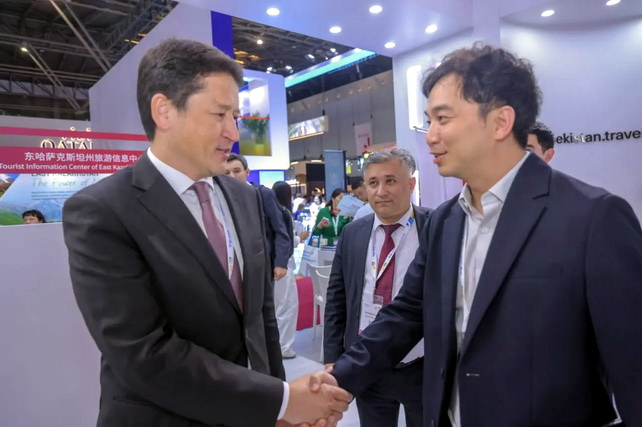
One example of this trend was negotiations held on the sidelines of the international tourism exhibition ITB China between the Chairman of the Tourism Committee of the Republic of Uzbekistan, Abdulaziz Akkulov, and the Vice President of the Chinese online travel platform Fliggy, Li Yang.
Fliggy, part of the Alibaba Group ecosystem, is one of the largest digital tourism services in China, reaching a multi-million user base. Cooperation with such platforms is therefore seen by Uzbekistan as an important tool for promoting the country in one of the world’s most promising tourism markets.
According to data presented during the meeting, interest in Uzbekistan on the Fliggy platform increased by 40 percent in 2025. More than 20,000 Chinese tourists purchased travel packages to the country through the service. These figures reflect not only growing interest in Uzbekistan’s historical and cultural routes, but also the increasing effectiveness of digital promotion channels.
Experts note that the Chinese tourism market is currently one of the fastest-growing in the world. Following the restoration of international mobility, Chinese tourists are increasingly exploring new destinations, with particular attention to safety, service quality, cultural heritage, and unique travel experiences. In this context, Uzbekistan offers several competitive advantages, including rich historical heritage, UNESCO World Heritage sites, gastronomic traditions, and a strategic location along the Silk Road.
A key factor is that the promotion of Uzbekistan’s tourism potential is being carried out through digital tools widely used by Chinese audiences. For modern travelers, online platforms are not only a means of purchasing tours but also a primary source of information about destinations, routes, hotels, and cultural characteristics.
During the talks, the parties discussed further measures to increase tourist flows from China to Uzbekistan. In particular, they focused on promoting Uzbekistan’s tourism opportunities through the Fliggy platform, expanding the participation of Uzbek tourism businesses in the platform’s digital ecosystem, and developing joint marketing programs.
Special attention was also given to organizing training seminars for Uzbekistan’s tourism sector representatives. Such initiatives could help improve integration into international digital platforms and enhance the competitiveness of national tourism products.
Tourism experts emphasize that cooperation with major international online platforms not only increases inbound tourist flows but also helps shape a modern image of the country in the global market. In an increasingly competitive tourism environment, digital promotion is becoming one of the key factors in attracting travelers.
Uzbekistan’s participation in ITB China and its partnership with Fliggy reflect the country’s efforts to strengthen its position in the Asian tourism market, expand international cooperation, and create additional opportunities for developing domestic tourism infrastructure.
Experts also note that further expansion of Uzbekistan’s presence on leading Chinese digital tourism platforms could contribute to growth in tourist arrivals, increased export potential of tourism services, and stronger international recognition of the country as one of Central Asia’s key tourism destinations.