Stay up to date with the latest news
Subscribe to our telegram channel

Uzbekistan Promotes Ferghana Agro Systems for FAO GIAHS Program
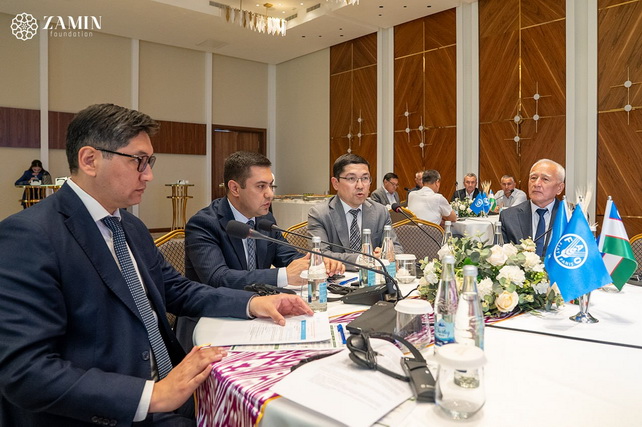
Tashkent, Uzbekistan (UzDaily.com) — A final seminar on the implementation of Globally Important Agricultural Heritage Systems (GIAHS) was held in Tashkent as part of a project implemented by the Food and Agriculture Organization of the United Nations (FAO) in cooperation with the Ministry of Agriculture of Uzbekistan and the Zamin Foundation.
A key outcome of the project was the preparation of Uzbekistan’s first national application for inclusion in the GIAHS program, an initiative aimed at preserving traditional agricultural systems. The proposal is titled “Pearl of the Ferghana Valley” and covers a range of traditional practices, including sericulture, agriculture, crafts, and gastronomy.
The Ferghana Valley is viewed as an integrated agro-ecological system where agriculture is closely linked with cultural and social life. Special attention is given to the centuries-old traditions of silk farming and silk weaving in Margilan, which preserve historical knowledge and remain an important source of income for local communities.
During the seminar, participants discussed the application’s compliance with GIAHS criteria and outlined next steps for its advancement. It was noted that achieving international status would not only increase the region’s global recognition but also serve as a tool for biodiversity conservation, rural community support, and sustainable territorial development.
The discussion also included the potential introduction of a national equivalent system, NIAHS, as well as the expansion of similar practices to other regions, including traditional raisin production projects in the Samarkand region.
Experts say participation in the GIAHS program opens new opportunities for Uzbekistan in agro-tourism, export of environmentally friendly products, and international promotion of cultural heritage.
Thus, the initiative is seen not only as a tool for preserving traditions but also as a driver of sustainable development, integrating economic, environmental, and cultural dimensions.