Stay up to date with the latest news
Subscribe to our telegram channel

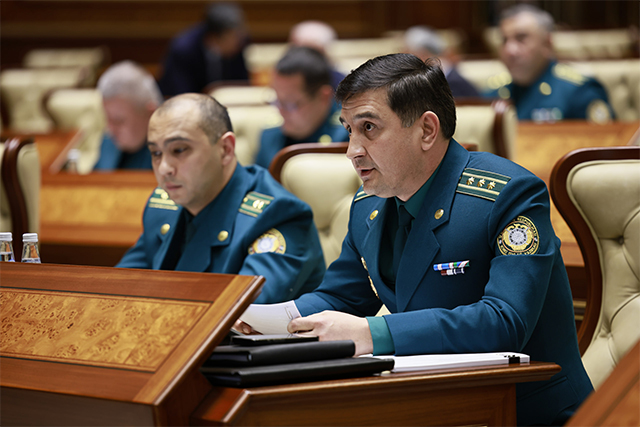
Uzbekistan Senate Approves Law to Boost Creative Economy
Tashkent, Uzbekistan (UzDaily.com) — The Senate of Uzbekistan’s Oliy Majlis has approved a law introducing amendments and additions to several legislative acts aimed at developing the country’s creative economy at a plenary session.
During the discussions, senators noted that Uzbekistan is implementing large-scale measures to stimulate innovative economic development, support youth and entrepreneurial creative initiatives, and transform creative potential into an economic asset and a source of new jobs.
Lawmakers stressed that further development of the creative economy requires additional incentives, favorable conditions, and a system of benefits for industry participants.
The document introduces legislative changes providing tax incentives for specialists involved in projects of the Art and culture development foundation, as well as residents of the Creative Industry Park.
According to the law, foreign contractors involved in work and services directly related to the creative industry will be exempt from value-added tax, withholding tax on profits, and personal income tax from 2026 to 2030.
During the session, it was noted that applying benefits exclusively to creative industry activities is expected to attract foreign specialists, improve the quality and scale of implemented projects, and expand opportunities to promote Uzbek creative products in international markets.
The law also clarifies requirements for obtaining Creative Industry Park resident status. In particular, a company must have an approved business plan, and at least 80% of its annual revenue must be generated from creative industry activities.
For newly established companies, this requirement will not apply at the initial stage. However, if criteria are not met by the end of the financial year, previously granted tax benefits will be recalculated and returned to the budget.
Senators said the law will contribute to the development of the creative industry, strengthen international cooperation, improve the organization of international cultural events, and ensure a sustainable and competitive environment in the sector.
The law was approved following the discussion.