Stay up to date with the latest news
Subscribe to our telegram channel

Samarkand Gets $600M Investment Push and Tourism Overhaul
Tashkent, Uzbekistan (UzDaily.com) — Uzbekistan is injecting at least $600 million into its historic Samarkand region, combining Japanese-backed industrial zones, mass agricultural expansion, and a sweeping tourism infrastructure drive.
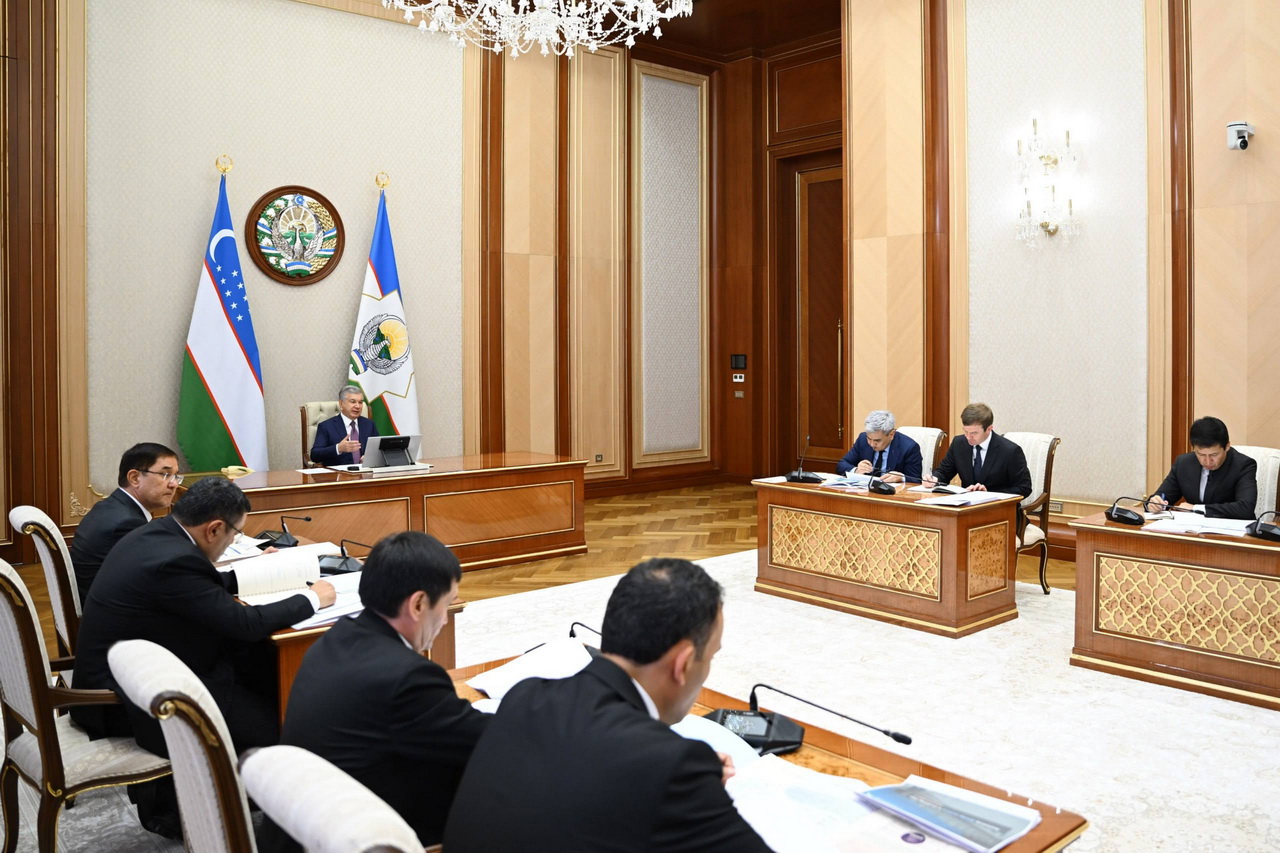
President Shavkat Mirziyoyev chaired a June 10 meeting focused on the comprehensive development of Samarkand oblast's districts and improving living standards in the region's remote and hard-to-reach areas. An additional $100 million was allocated to the region for 2026 to implement previously set targets following the president's visits to Samarkand oblast in December and Narpay district in March.
Industrial and Agricultural Specialization
The meeting spotlighted persistent economic imbalances: despite high population density, six priority districts — Bulungur, Narpay, Akdarya, Pakhtachi, Koshrabot, and Kattakurgan, along with Kattakurgan city — account for only 10% of the oblast's industrial output, while unemployment and poverty rates in several districts remain above the regional average.
To address this, each district is to be assigned a defined economic specialization. Bulungur, Koshrabot, Pakhtachi, and Kattakurgan districts will be developed as agricultural, livestock, and horticulture hubs. A $50 million investment in Bulungur district will establish a breeding facility with an annual capacity of 100,000 head of livestock, while Koshrabot and Akdarya districts will host poultry breeding enterprises with a combined annual capacity of 800,000 chicks.
Narpay district and Kattakurgan city are designated as industrial and services centers. The flagship project is a 100-hectare industrial zone in Narpay with a total investment value of $500 million — to be anchored by ten major Japanese companies. Akdarya district will specialize in poultry farming, textiles, and agricultural processing.
The development targets are concrete: unemployment in select districts is to be cut to 3%, poverty to 2%, exports increased by 20%, and industrial and services output doubled in several territories.
Tourism Surge and Samarkand's Historic Core
Tourism featured prominently on the agenda. Foreign tourist arrivals to Uzbekistan grew 27.3% from the start of the year, reaching 5.4 million — progress toward the national target of 20 million tourists annually and $10 billion in tourism export revenues.
To advance these goals in Samarkand, authorities approved a proposal to convert 13 streets in the city's historic center into pedestrian zones and develop new tourism and service facilities. The Okhalik–Okbuyro–Mironkul tourist and recreational zone will be expanded, and the area along the Shaar collector near the Imam Maturidi memorial complex will be landscaped.
These projects, spanning Samarkand city, Nurobod, and Samarkand district, are expected to grow the hotel stock to 850 properties, expand room capacity to 20,000 beds, and push tourism service revenues to $750 million.
Infrastructure and Urban Renewal
Social and engineering infrastructure investment of 1.2 trillion soums has been proposed, covering construction of public facilities, road modernization, and upgrades to water supply, sewage, and power systems. Within Samarkand city, authorities have been instructed to approve — within one month — a master plan for transforming the Kimyogarlar settlement into a modern residential district. Plans also call for expanding the Yangi Uzbekistan residential area in Bulungur district and creating sports, cultural, music, and arts facilities along disused railway-adjacent land in Samarkand before year's end.
President Mirziyoyev directed responsible agencies to ensure the effective use of each district's potential, accelerate job creation, raise household incomes, and narrow socioeconomic disparities across the oblast.